Construction Packaging: Protection and Sustainability
In the construction industry, packaging plays a role that goes far beyond simply bundling products together. For insulation materials, construction boards, and other large-scale building products, packaging is a key element of the logistics chain, protecting products from the manufacturing stage all the way through to installation.
The right packaging solution not only reduces the risk of damage but also contributes to efficient storage, safe transportation, and strong brand visibility.
What Requirements Must Construction Packaging Meet?
Packaging for construction products must meet a unique set of requirements. Packaging materials need to withstand mechanical stress, weather conditions, and extended periods of outdoor storage. In the case of insulation materials, adequate tear resistance and packaging stability are particularly important, as products are often handled multiple times before reaching their final destination.
Modern packaging solutions must also support automated manufacturing and packaging processes, ensuring fast and cost-effective production.
The Unique Challenges of Packaging Insulation Materials
Insulation products are characterized by their large volume and relatively low weight. As a result, their packaging must be both flexible and highly durable.
A well-designed packaging film:
Preserves Product Quality
Packaging protects insulation materials from contamination, moisture, and damage that may occur during transportation and handling.
Supports Efficient Logistics
Properly designed packaging facilitates palletizing, storage, and transportation while reducing losses caused by product damage.
Enhances Brand Visibility
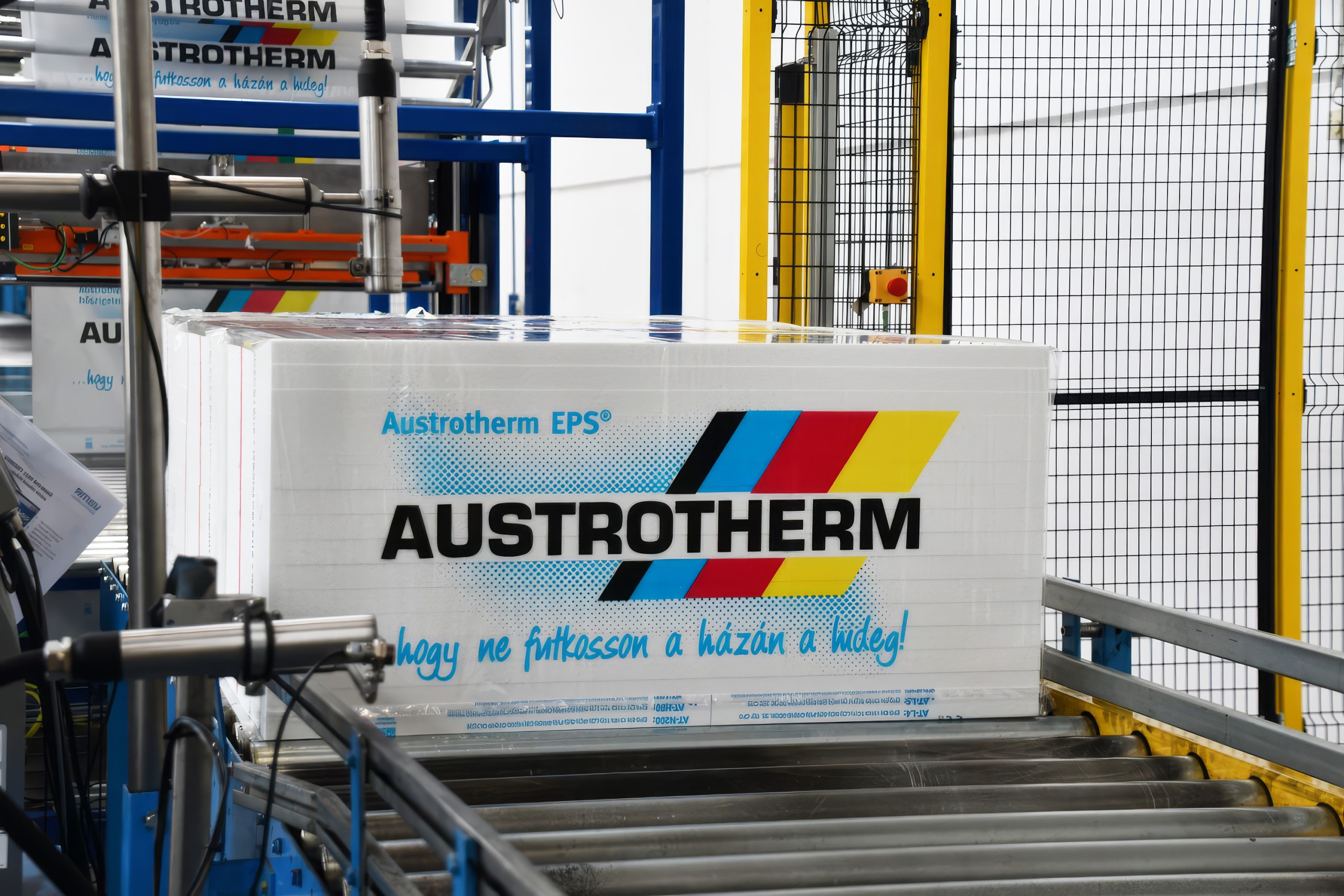
Printed packaging serves as an important communication tool, helping to identify products and increase brand visibility in building material stores and on construction sites.
Sustainability in Construction Packaging
The construction industry is placing increasing emphasis on reducing environmental impact. This shift has significantly transformed the expectations placed on packaging materials.
For modern construction packaging, technical performance alone is no longer sufficient. Recyclability, optimized material usage, and energy-efficient production processes have become equally important considerations.
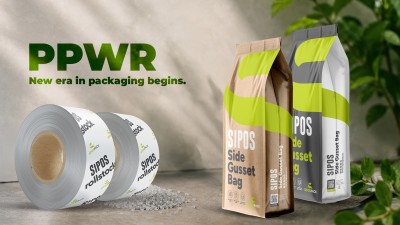
Thanks to Sipospack’s continuous developments, packaging solutions are produced that meet demanding industry performance standards while supporting the goals of the circular economy. The use of renewable energy sources during manufacturing, including solar power, further reduces the environmental footprint associated with packaging production.
Austrotherm: An Example of Successful Collaboration
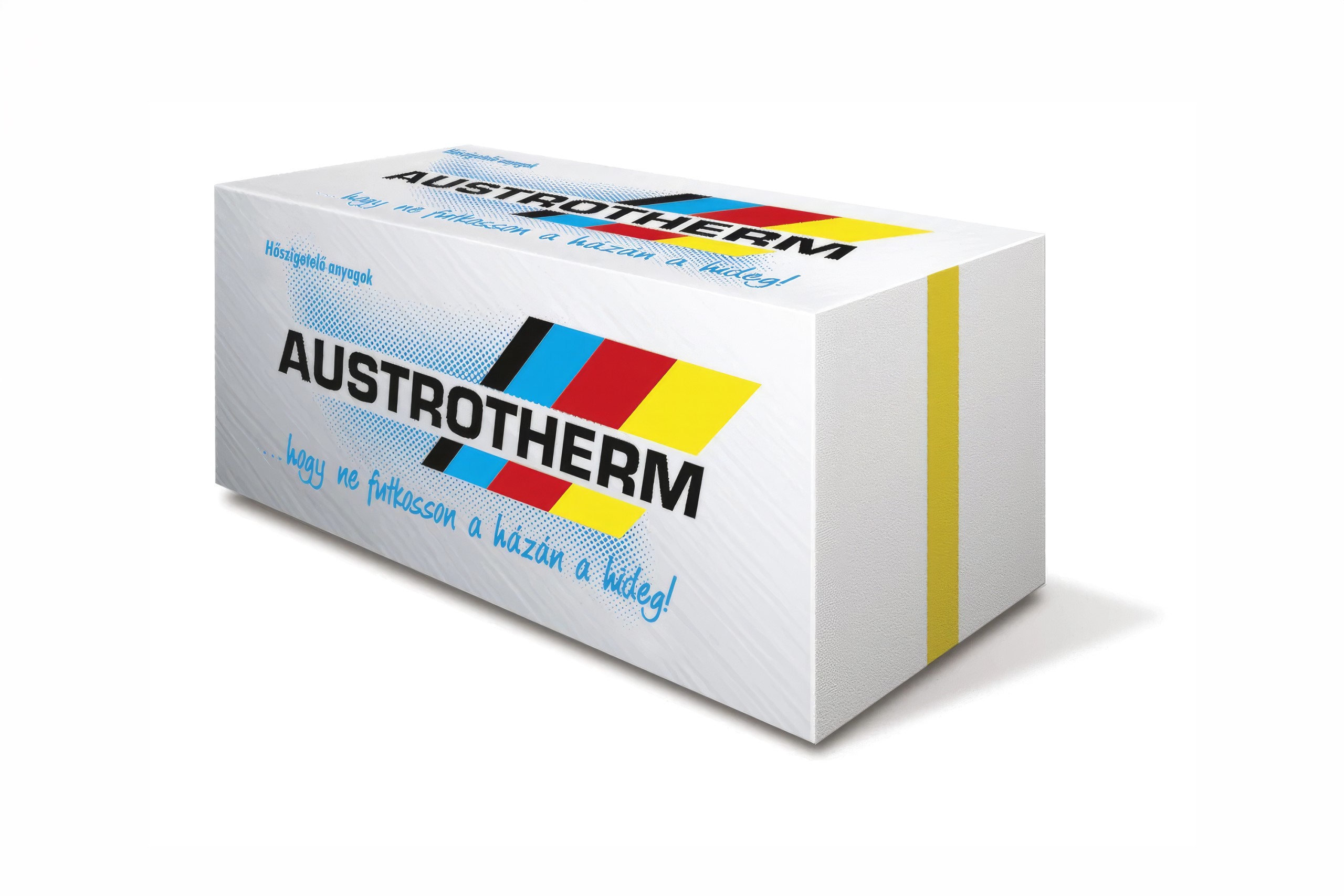
For manufacturers of insulation materials, packaging quality is of critical importance. A great example is Austrotherm, whose products require packaging solutions that provide reliable protection, easy handling, and consistent brand presentation at the same time.
Projects like these demonstrate that, in today’s construction packaging industry, technical performance and sustainability are no longer mutually exclusive. Modern manufacturing technologies make it possible to produce highly durable packaging solutions that also meet recyclability and environmental requirements.