Bakeable Sandwich Packaging – Sustainable and Eye-Catching Solutions for the Modern Food Industry
Today, sandwiches are no longer just quick snacks. Whether it’s a gas station snack, a premium bistro product, or an offering from an artisan bakery, consumers are making increasingly conscious choices. Packaging plays a key role in this process. The right sandwich packaging not only protects the product and ensures hygiene, but also supports sales and — more importantly than ever — provides a sustainable solution. What’s more, it can even go directly into the oven, transforming the product into a hot meal while the packaging itself actively supports the baking process.
Why Does a Sandwich Need Packaging?
The primary purpose of packaging is, of course, to protect the food. A freshly made sandwich is a sensitive product: it is essential to preserve its freshness, texture, and hygiene until consumption.
Proper packaging:
- protects the product from external contamination,
- helps maintain freshness,
- reduces the risk of drying out or becoming soggy,
- enables safe transportation,
- and increases shelf life.
In the food industry, hygiene is now a basic expectation. Consumers feel reassured when products are sealed, undamaged, and presented in professional packaging.
Packaging Sells the Product
A significant portion of purchasing decisions are made impulsively. That is why well-designed sandwich packaging serves not only as protection, but also as a marketing tool.
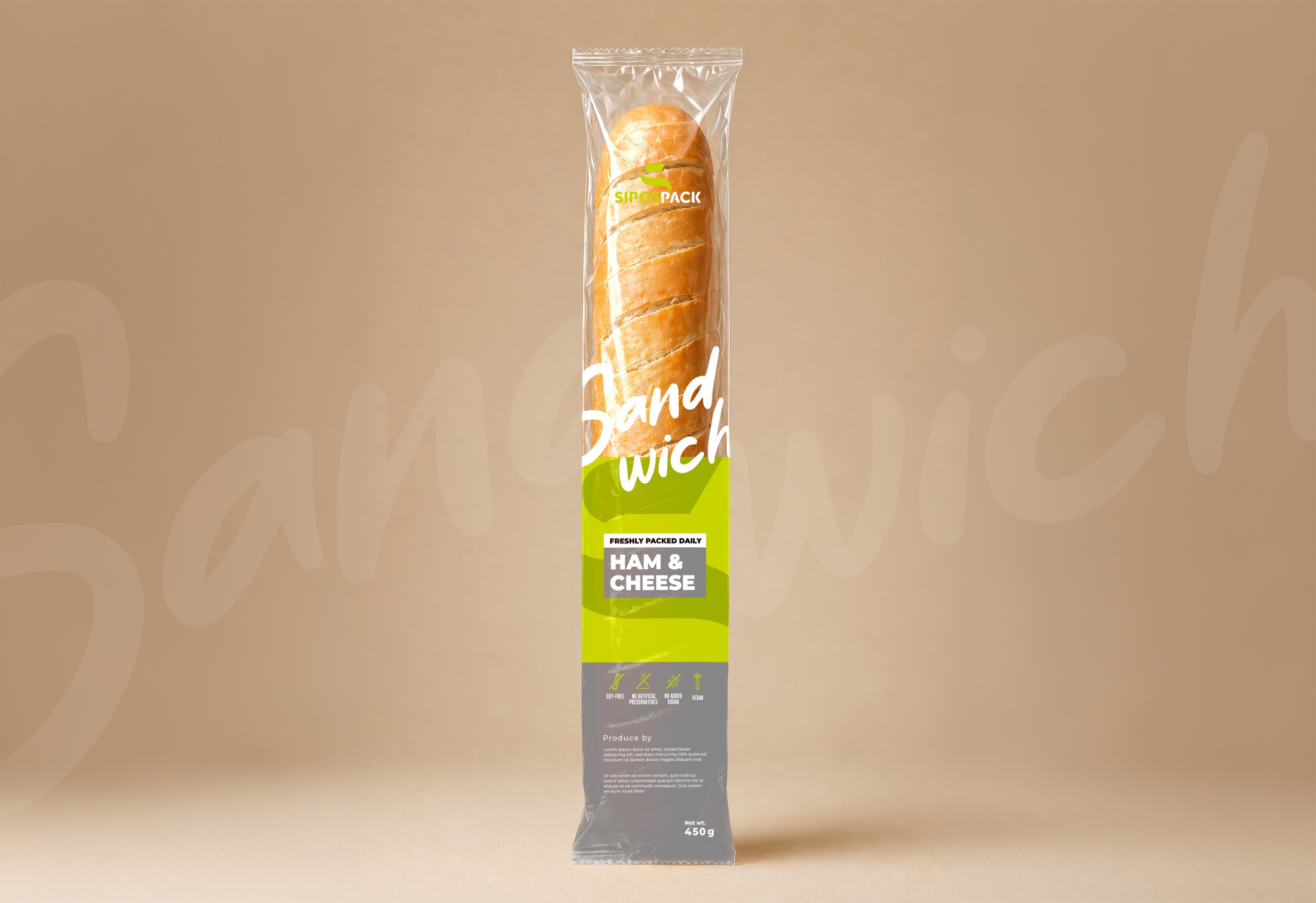
One of the most important features of modern packaging is a transparent window or partially transparent surface. Consumers want to see:
- the composition of the sandwich,
- the amount of filling inside,
- the freshness of the ingredients,
- and the premium appearance of the product.
When fresh lettuce, crispy baguettes, or high-quality ham are visible, the product is far more likely to end up in the shopping basket.
Bakeable Sandwich Packaging
The new generation of sandwich packaging does more than simply store the product — it “bakes together” with it. These oven-safe packages are made from special heat-resistant materials and feature laser perforations at multiple points on the surface.
Through these tiny, almost invisible perforations, excess heat and steam can escape during baking. As a result, the sandwich does not become soggy, the bread remains crispier on the outside, while the filling heats evenly on the inside.
This solution is not only more convenient and hygienic — since the product does not need to be removed from the packaging — but can also be more energy-efficient, as the packaging helps optimize heat circulation. In addition, laser perforation can be precisely controlled, allowing ideal ventilation for different product types.
This technology simultaneously enhances the consumer experience and supports modern fast-food and convenience solutions.
Sustainable Sandwich Packaging: An Increasingly Important Consideration
In recent years, demand for recyclable packaging has grown significantly among both consumers and manufacturers. In sandwich packaging, it is particularly important to combine proper barrier properties with environmentally friendly solutions.
Sipospack works with several mono-material, recyclable structures that are highly suitable for food packaging applications. PP+PP and PE+PE based structures provide:
- excellent barrier properties,
- aroma protection,
- good printability,
- and recyclability.
The advantage of mono-material structures is that the different layers belong to the same material family, making the packaging easier to recycle compared to traditional multilayer laminates.
Thanks to modern developments, these functions can now be achieved even with mono-material, recyclable structures.
Flexographic or Digital Printing?
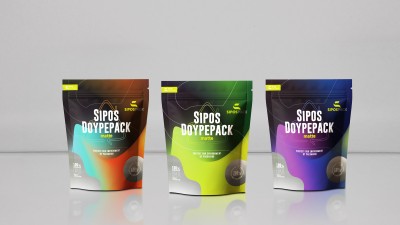
Today, sandwich packaging is not only functional, but also a visual communication surface. Well-designed graphics help products stand out on the shelf and strengthen brand identity.
At Sipospack, packaging can be produced using either flexographic or digital printing technologies.
Advantages of Flexographic Printing
Flexographic printing is ideal for larger production volumes because it:
- is cost-effective,
- provides excellent print quality,
- enables fast production,
- and allows for vibrant, eye-catching graphics.
Advantages of Digital Printing
Digital printing is an excellent solution for smaller batches or frequently changing designs because it:
- does not require printing plates,
- offers fast turnaround times,
- can be easily customized,
- and is ideal for test products or seasonal campaigns.
This can be especially beneficial for premium sandwiches, limited-edition products, or private-label retail chains.