Packaging of vitamins: protection, practicality, and custom design
In addition to tablets and capsules, gummy vitamins are becoming increasingly popular, making daily vitamin intake easier in a flavored, chewable form. Alongside product development, however, packaging also deserves attention: it must provide adequate protection for the contents, be practical for everyday use, and convey the unique identity of the brand.
The composition of vitamins and dietary supplements varies, so choosing packaging should always start from the properties of the given product. A tablet, a capsule containing oil-sensitive ingredients, and a gummy vitamin may pose different protection requirements. Light, heat, air, and moisture can all affect the stability of certain active ingredients. For gummy vitamins, maintaining moisture content and texture is also essential, as improper storage can lead to product clumping or changes in consistency. Protection against moisture is equally important for capsules and tablets, while light protection is crucial for certain light-sensitive vitamins. The right flexible packaging can help mitigate these environmental effects. However, the material structure used must always be tailored to the product composition, the desired shelf life, and the storage conditions specified by the manufacturer. Not all vitamin products require the same film, which is why determining the technical parameters of the packaging is an important task as early as the product development phase.
Food Safety and Adequate Barrier Properties
Food safety requirements play a prominent role in the packaging of dietary supplements. The raw material must be suitable for the intended use and comply with relevant regulations regarding food-contact materials. Protecting the product from contamination during manufacturing, packaging, and storage is equally important. The packaging must also preserve the integrity of the contents during transport and commercial distribution. This requires adequate mechanical resistance and a closure capability tailored to the product. Therefore, when choosing packaging, it is not enough to consider only external appearance or price. The manufacturer must also weigh what level of protection the given structure provides throughout the entire shelf life of the product. The final solution must be determined based on product-specific requirements—our specialists can assist with this.
Doypack: A Practical Solution for Tablets, Capsules, and Gummy Vitamins
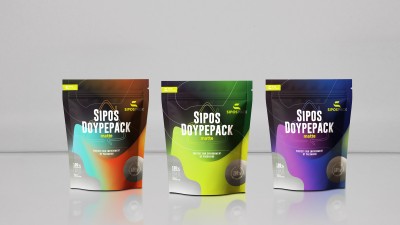
The stand-up pouch, also known as a Doypack, is appearing in an increasing number of product categories as an alternative to traditional jars and boxes. It stands stably on the shelf, offers a large surface area for product information and graphics, and is easy to store and transport. The scissors-free opening, reclosable design is particularly useful for products intended for multiple uses. The ziplock closure allows the customer to reseal the pouch even after the first opening, so the product remains inside the packaging until the next use. This solution can also be practical for gummy vitamins, where maintaining texture and mitigating moisture absorption are important.
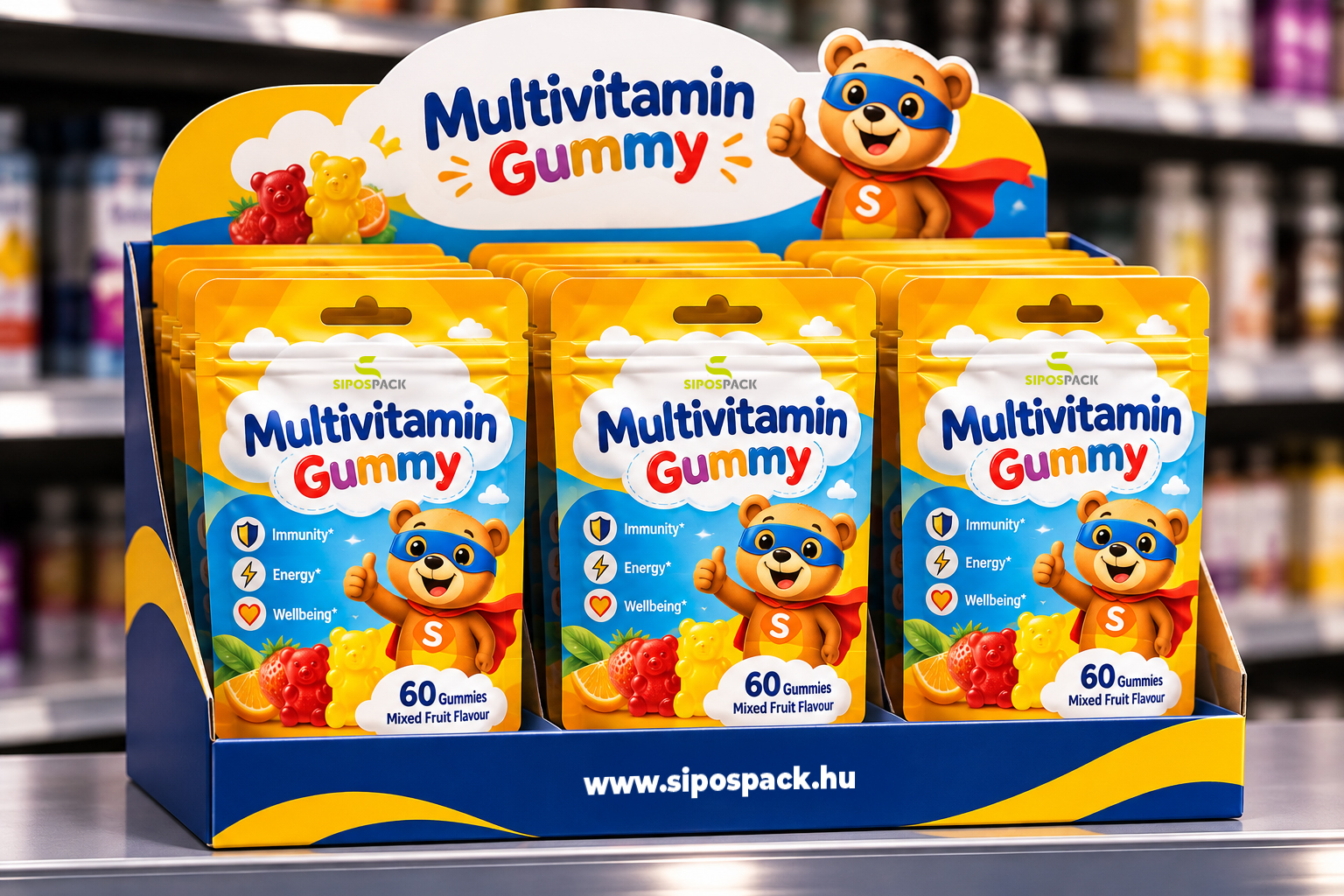
Children’s Vitamins: Packaging Speaks to Parents as Well
For vitamins intended for children, colorful, playful graphics can help product recognition, but the packaging must also provide clear information for parents. It is important that the product name, composition, recommended dosage, age group information, and necessary warnings appear clearly and legibly. This is particularly crucial in the case of gummy vitamins, which, due to their taste and texture, can easily look like candy to children. The administration of vitamins is handled by a parent or guardian, so the packaging must support accurate orientation and responsible use. The product must be kept out of reach of children, and the packaging must not give the impression that the gummy vitamin is a candy that can be consumed without limitation.
Unique Graphics That Differentiate Your Brand
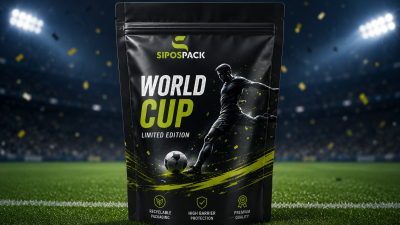
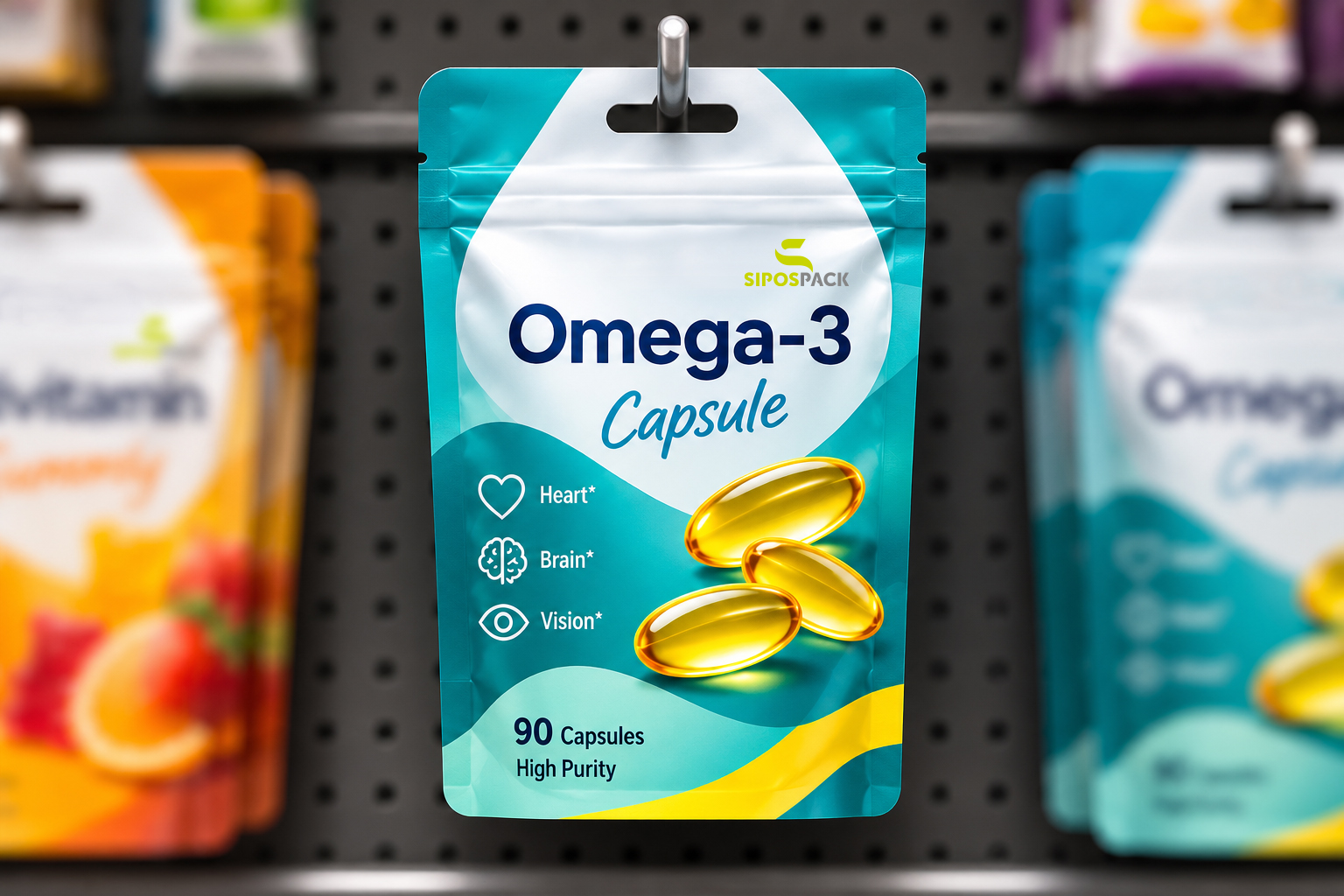
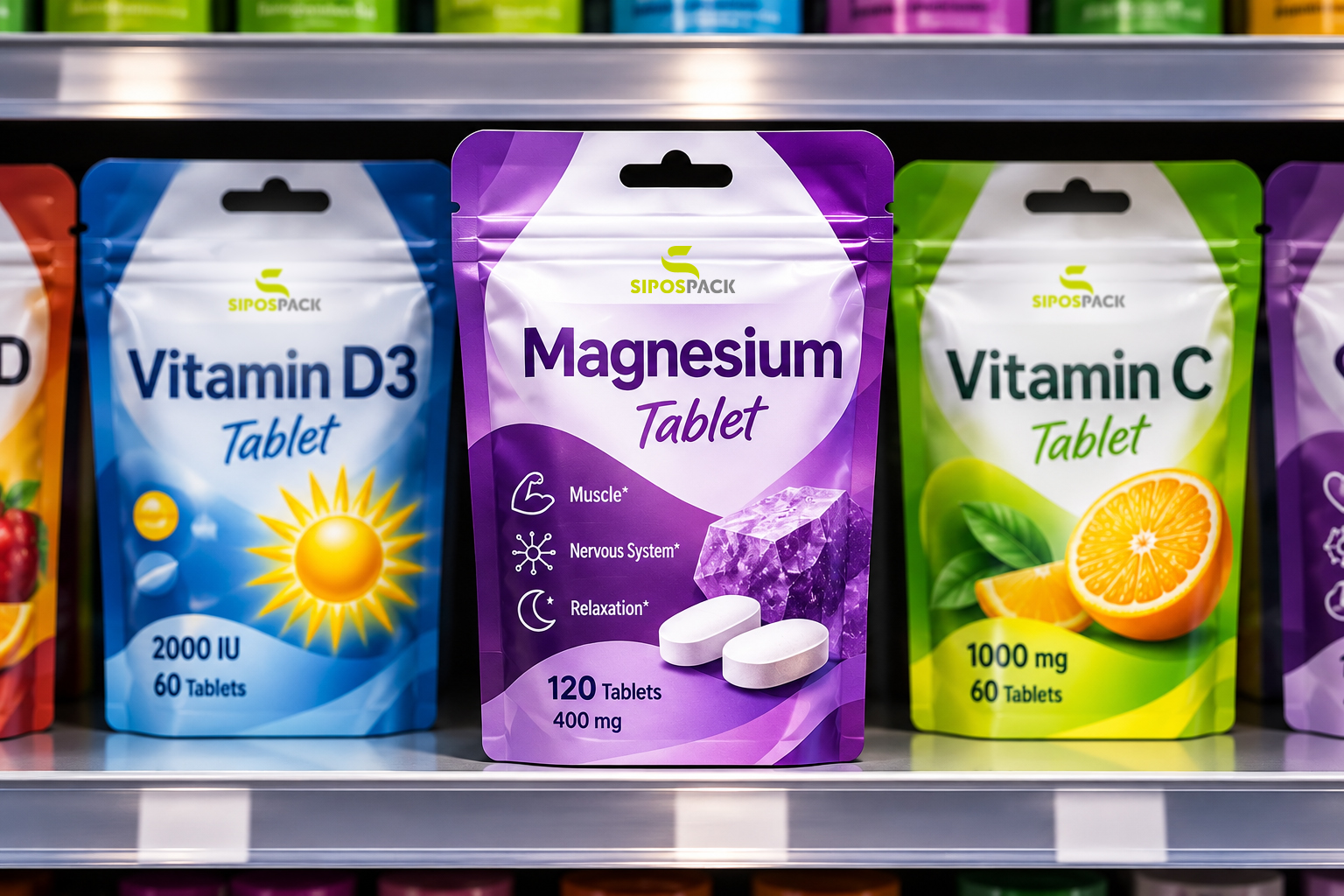
In the vitamin market, numerous products with similar purposes compete for customer attention. Packaging therefore performs not only a protective function but is also one of the most important surfaces for brand communication. Through colors, typography, illustrations, and layout, product families, preparations containing different active ingredients, and variants intended for adults versus children can be distinguished from one another. Well-designed graphics can help quick product recognition while leaving enough space for mandatory product information.
Launching a Product on the Market?
Digital printing can be particularly advantageous when launching new products or testing multiple variants. It allows for the flexible creation of custom graphics, making a brand-aligned appearance achievable even for smaller production runs. For larger, stable production volumes, flexographic printing can also be a suitable choice. This technology is suited for the efficient production of large runs, so it is worth considering once the product is established, the graphics are finalized, and the order is for large quantities.
QR Code on Packaging: Additional Information at Your Fingertips
The surface area of packaging is finite, while customers’ demand for information is constantly growing. The QR code offers a practical opportunity to connect additional, digitally accessible content to the product alongside the most important information. The code can lead to the manufacturer’s website, where a more detailed product description, frequently asked questions, or the presentation of the entire product line can be accessed. It can also help introduce other related products, for example by drawing attention to vitamins of the same brand with different compositions. In addition, it can lead to professionally verified information on the physiological role of vitamins.